
No products in the cart.
Blog, Home Remedies
How Ayurvedic Massage Helps Relieve Chronic Back Pain Naturally
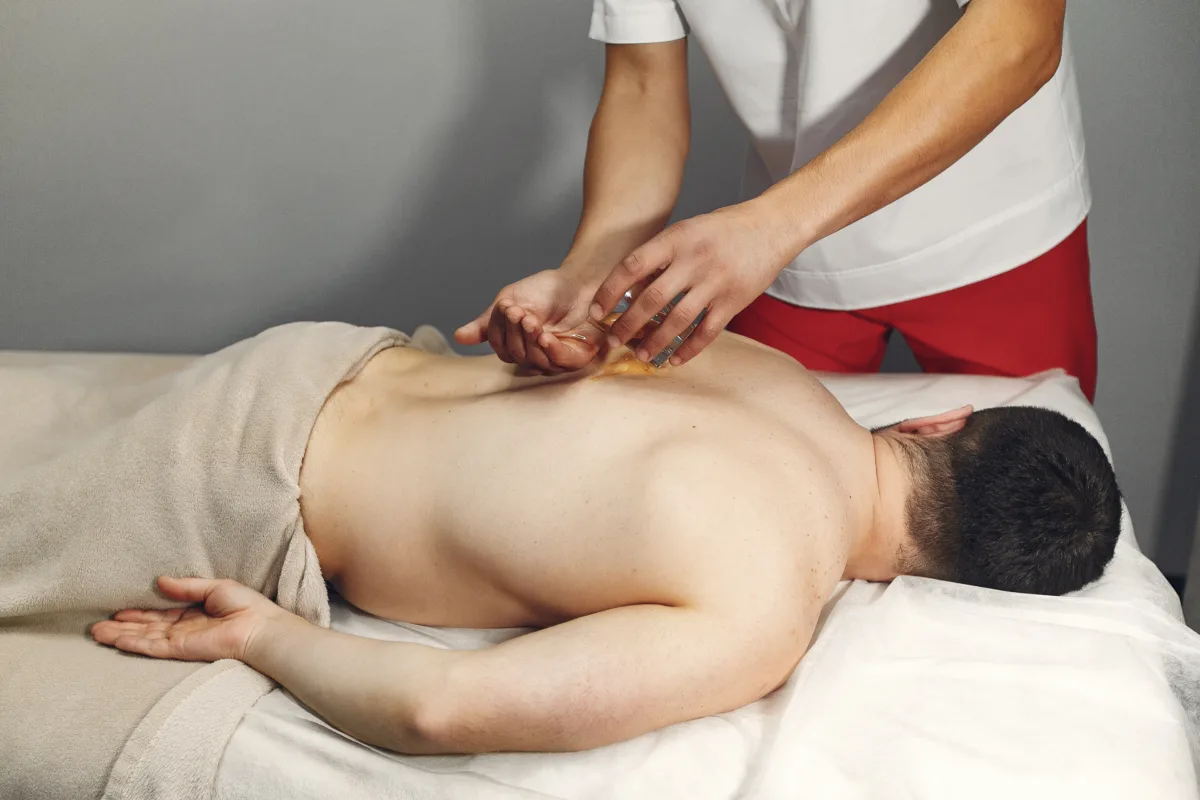
Chronic back pain makes daily living very difficult. And many people in the UK need to depend on pain relief medication. Regular painkillers merely mask symptoms. But Ayurvedic massage seeks to deal with the root cause of the problem using appropriate medicated oils and specific heat therapies.
Key Takeaways:
- Promotes Natural Balance: Ayurvedic bodywork works by easing Vata-related physical tension through warm, herb-infused oils that soothe stiff muscles, calm the nervous system, and encourage healthy local circulation.
- Targeted Complementary Care: Integrates specialised traditional practices like Kati Vasti warm-oil therapy to deliver deep, localised warmth to tight lower back muscles.
- A Whole-Body Perspective: Rather than focusing solely on temporary surface tightness, Ayurveda evaluates how posture, daily stress, and lifestyle factors contribute to recurring muscular back discomfort.
If you have been suffering from a dull but persistent pain in your lower back for a few months or even more, you must be aware that Ibuprofen and heating pads provide only temporary relief. Over 10 million adults in the UK live with back pain every year.
Pain in the back is still among the main reasons for visiting a general practitioner and being absent from work. As a result, many people are looking for types of relief that are not achieved using traditional painkillers.
This guide will explain how Ayurvedic massage helps relieve chronic back pain naturally.
How Ayurvedic Massage Delivers Natural Relief for Long-Term Back Pain
Chronic back pain can complicate day-to-day life. It leaves many people in the UK now with occasional pain relief. To explain how this treatment helps with back pain relief, start by considering what is causing pain for patients from the viewpoint of Eastern medicine-
Why Chronic Back Pain Happens, According to Ayurveda
According to Ayurveda, backache (mainly the kind that is dull, stiff, and worsens while in cold conditions) is almost always the result of aggravated Vata dosha. Vata controls the movement of the body, the nervous system, and lubrication in the joints.
When Vata dosha is aggravated, you may see symptoms of:
- Stiffness and dryness in muscles and joints
- Pain aggravating when it is cold outside or when one stays still
- Radiating muscular discomfort or tightness along the hips and legs
- Restlessness, anxiety, and sleeplessness in combination with physical pain
Modern life in the 21st century is creating an environment that aggravates the symptoms associated with Vata due to long hours behind desks in unnatural postures, daily stress, unhealthy eating habits, and cold and damp winters. However, instead of just hiding the pain, Ayurveda proposes to reduce the levels of Vata through applying warmth, oil, and rhythm, which is what Ayurvedic massage does.
Common root causes Ayurveda looks at (beyond the symptom)-
- Poor posture and prolonged sitting
- Weak digestion (Agni), which Ayurveda links to toxin build-up (“Ama”) in joints and tissues
- Muscular strain or an old, unresolved injury
- Chronic stress held in the lower back and shoulders
- Disc or spinal degeneration linked to age and Vata increase
Ayurvedic massage goes beyond standard spa relaxation by offering a personalised wellness assessment. A trained Ayurvedic practitioner evaluates your primary dosha imbalance and physical tension patterns to select the optimal oils, herbs, and manual techniques for your body. A qualified therapist knows how to perform the treatment, starting with the identification of your particular dosha. After identifying your vata dosha, the trained practitioner will select the type of oil, herb, and pressure to be used for your specific problem.
If your ailment is back pain, these factors will be included in your treatment:
- Effective herbal medication oil that can relieve pain (as opposed to any massage oils used in massage therapy)
- Gentle, constant motions going with the direction of muscle and nerve tissues
- Application of hot packs to increase blood circulation
This is the principle of treating the entire body or spine instead of treating back pain separately.
The Best Ayurvedic Massage Treatments for Back Pain
Not all Ayurvedic treatments are the same. Here is what actually works and when each one is used:
- Abhyanga (Full-Body Medicated Oil Massage)
This is the foundation of Ayurvedic bodywork. Warm, dosha-specific medicated oil is massaged into the entire body using long, firm strokes that follow the muscle and nerve pathways.
For back pain, Abhyanga therapy works to-
- Improve circulation to stiff, tight muscles
- Lubricate joints and soften connective tissue
- Calm the nervous system, which reduces pain-related muscle guarding
- Kati Vasti (The Gold-Standard Treatment for Lower Back Pain)
Kati Vasti is a highly regarded Ayurvedic therapy designed specifically to deliver deep, sustained heat and nourishment to the lower back and lumbar region.
A ring made of black gram dough is built around your lumbar spine, and warm medicated oil is poured into it and held in place for 20-40 minutes. The sustained heat and oil penetrate deep into the muscles, ligaments, and nerves around the spine.
- Pizhichil (Warm Oil Pouring Therapy)
Pizhichi is a rhythmic, continuous pouring of warm medicated oil over the body while a practitioner performs gentle massage. It is especially effective for muscle stiffness, poor circulation, and Vata-type nerve pain.
- Choorna Pinda Sweda/Patra Pinda Sweda (Herbal Bolus Massage)
Warm herbal poultices (potlis) filled with medicinal leaves, powders, or rice are pressed and massaged along the back in choorna pinda sweda. The combination of heat and herbs is particularly good for stubborn stiffness and inflammation.
- Vasti Chikitsa (Medicated Enema Therapy)
Vata’s “seat” is the colon; Ayurveda treats persistent Vata-type back pain internally too, not just externally. Vasti Chikitsa is used as part of a broader Panchakarma programme for people whose back pain keeps returning despite massage alone.
Here is a quick reference of which treatment is recommended for which type of pain-
| Type of Back Pain | Recommended Treatment |
|---|---|
| General stiffness, tension, poor circulation | Abhyanga |
| Lower back pain, sciatica, disc-related pain | Kati Vasti |
| Chronic stiffness with nerve involvement | Pizhichil |
| Localised inflammation and muscle knots | Choorna / Patra Pinda Sweda |
| Recurring pain despite massage, digestive links | Vasti Chikitsa (Panchakarma) |
Table 1: Different Ayurvedic Massage Treatments for Back Pain
Does Ayurvedic Massage Actually Work?
A randomised controlled trial published in The Journal of Alternative and Complementary Medicine evaluated Ayurvedic massage (using Sahacharadi Taila oil) in 64 patients with chronic, non-specific low back pain and found meaningful improvements in pain and function compared with standard care.
A 2024 randomised controlled trial combining yoga with Kati Basti therapy for chronic low back pain reported a reduction in pain scores of roughly 29% after one week, with continued improvement in disability scores at the three-month follow-up.
Ayurvedic massage is not meant to replace medical care for serious spinal conditions, but for the everyday chronic back pain millions of people live with.
Here is how the back pain alternative treatments compare-
| Factor | Ayurvedic Massage | Painkillers / NSAIDs | Physiotherapy | Chiropractic Care |
|---|---|---|---|---|
| Primary Focus | Balances muscle tension, stress, and local circulation via warm oil therapies. | Provides rapid temporary relief from acute pain and inflammation. | Restores physical function, posture, movement, and muscle strength. | Focuses on spinal alignment, joint mobility, and neuromuscular function. |
| Approach | Holistic (integrates bodywork, stress management, and lifestyle routines). | Symptom management for acute flare-ups under GP/pharmacist guidance. | Structural rehabilitation and active exercise therapy. | Structural and manual manipulation of spinal joints. |
| UK Access | Available privately at specialised clinics. | Available over-the-counter or via GP prescription. | Available via NHS referral or private practice. | Available privately; selected NHS availability. |
| Best Used For | Chronic muscle tightness, stress-related tension, and joint stiffness. | Short-term management of acute inflammatory flare-ups. | Post-injury rehabilitation and structural weakness. | Joint restrictions and structural alignment concerns. |
Table 2: Ayurvedic Massage vs. Conventional Back Pain Treatments
Many of our clients use Ayurvedic massage alongside physiotherapy or medical care, not instead of it. These are the back pain alternative treatments that are effectively used alongside Ayurvedic massage. That is exactly how Ayurveda intends it to be used. This is effective as a root-cause therapy that complements, rather than competes with, modern medicine.
What to Expect in Your First Session
If you have never tried Ayurvedic massage before, here are the basic steps you will go through:
- Consultation (20-30 minutes): Your practitioner asks about your pain history, lifestyle, sleep, digestion, and stress levels to determine your dosha and the root cause of your pain, not just where it hurts.
- Oil selection: A medicated oil is chosen specifically for your Vata imbalance and pain type (for example, Mahanarayan or Ksheerabala Taila for lower back pain).
- The treatment itself: Depending on what is recommended, this could be Abhyanga, Kati Vasti, or a combination. It is typically 45-75 minutes.
- Rest period: You will usually be encouraged to rest for 15-20 minutes afterwards, allowing the oils to absorb.
- Aftercare guidance: You will leave with simple, practical advice, such as posture tips, stretches, or dietary notes, to support the treatment between sessions.
Most people feel warmth, looseness, and noticeably less muscular tension immediately after their first session, even before the deeper, cumulative benefits build up over subsequent visits.
How Many Sessions Do You Need?
Ayurveda works cumulatively. A single session can ease tension, but lasting relief from chronic pain comes from a course of treatment, because each session builds on the tissue changes from the last.
- 3-5 sessions, often spaced 2-3 times a week, are effective for mild, recent stiffness
- A course of 7-14 sessions is typical; sometimes, as part of a structured Panchakarma programme, it is needed for genuinely chronic pain (3+ months)
- Ongoing maintenance sessions every 4-6 weeks after the initial course are required alongside home-care practices for recurring or nerve-related pain (e.g. sciatica)
Why Choose Pranava Ayurveda for Back Pain Relief
Our clinic across Harrow, Wembley, and greater London has been helping clients find lasting relief from chronic back pain using authentic, traditional Ayurvedic methods, not a diluted spa version of it.
What sets a genuine Ayurvedic back pain treatment apart-
- Root-cause diagnosis, not a generic “back massage” menu item
- Traditional, dosha-specific medicated oils, sourced and prepared the authentic way
- Practitioners trained in classical Ayurveda, not just general massage therapy
- A full range of back-pain-specific therapies, such as Abhyanga, Kati Vasti, Pizhichil, Choorna Pinda Sweda, and Panchakarma, under one roof, so your treatment can evolve as your pain does
In Conclusion
Ayurvedic massage targets chronic back pain by balancing aggravated Vata dosha through warm, medicated herbal oils, rhythmic strokes, and localised heat therapy like Kati Vasti.
Unlike temporary painkillers, authentic Ayurvedic treatments ease stiffness, enhance circulation, calm the nervous system, and address root causes, such as posture, stress, and digestion, for long-term, natural relief.
Ready To Live Free From Nagging Back Pain?
Experience authentic, personalised healing at Pranava Ayurveda. Our classical therapies, tailored medicated oils, and root-cause diagnoses deliver lasting relief from stiffness and sciatica. Book your consultation at our Harrow clinic today and restore your body’s natural balance!
UK Regulatory & Medical Compliance Notice
The Ayurvedic bodywork and heat therapies described in this guide (including Abhyanga, Kati Vasti, and Pinda Sweda) are traditional, complementary wellness practices. They are designed to support muscle relaxation, localised blood circulation, joint lubrication, and overall stress reduction. They are not a substitute for conventional medical evaluation, diagnosis, or treatment by a General Practitioner (GMC-registered GP) or orthopedic specialist.
If you have an acute spinal injury, suspected slipped disc, severe numbness, or a diagnosed medical condition, please consult your doctor prior to booking. Do not stop or alter any prescribed medical treatments without GP guidance.
Frequently Asked Questions(FAQs)
1. Can Ayurvedic Therapies Like Kati Vasti Be Used if I Have Severe Lower Back Tension?
Yes. At Pranava Ayurveda, localised treatments like Kati Vasti or Pichu (oil-soaked herbal pads) are specifically designed to deliver sustained, gentle warmth to tight lower back muscles. By placing a dough reservoir on the lower back and filling it with warm medicated oil, the tension in deep tissue layers can relax without high-pressure force. If you have a diagnosed spinal condition (such as a herniated disc), we advise consulting your GP prior to your visit.
2. How Does Ayurvedic Bodywork Differ From an Ordinary SPA Massage for Back Stiffness?
Standard spa massages primarily focus on short-term surface relaxation. Authentic Ayurvedic therapy uses traditional herbal oils chosen for your specific constitution (dosha) combined with specialised warm bolus techniques (Kizhi). These methods help loosen stubborn muscular knots, encourage circulation, and soothe deep-seated physical tension.
3. What Steps Are Taken to Ensure Treatment Safety if I Experience Acute Muscle Spasms?
Our clinic conducts an initial wellness consultation before any session. Experienced practitioners assess your current physical comfort and adjust manual techniques-using soft rhythmic strokes, warm oil application, and gentle pressing rather than intense structural manipulation-to avoid triggering further muscle spasms.
4. Can Ayurvedic Massage Help With Stiffness That Radiates Down Into the Hips or Legs?
Ayurvedic herbal bolus therapies (such as Choorna Pinda Sweda or Patra Pinda Sweda) utilise warm herbal pouches dipped in medicated oil. This therapy helps relieve stiffness around the lower back, glutes, and thighs. However, if you experience sharp radiating pain, severe numbness, or loss of sensation, you should be evaluated by a medical doctor to rule out underlying nerve compression.
5. What Can I Do if Chronic Lower Back Pain is Accompanied by Neck and Upper Back Tightness?
Our practitioners can structure multi-zone oil therapies during your course of care. For instance, pairing Kati Vasti (for the lower back) with Greeva Vasti (a warm oil reservoir applied to the neck and shoulders) provides balanced warmth and tension relief across the entire spine.