
No products in the cart.
Blog, Home Remedies
Abhyanga Massage vs Deep Tissue Massage: Which Is Right for You?
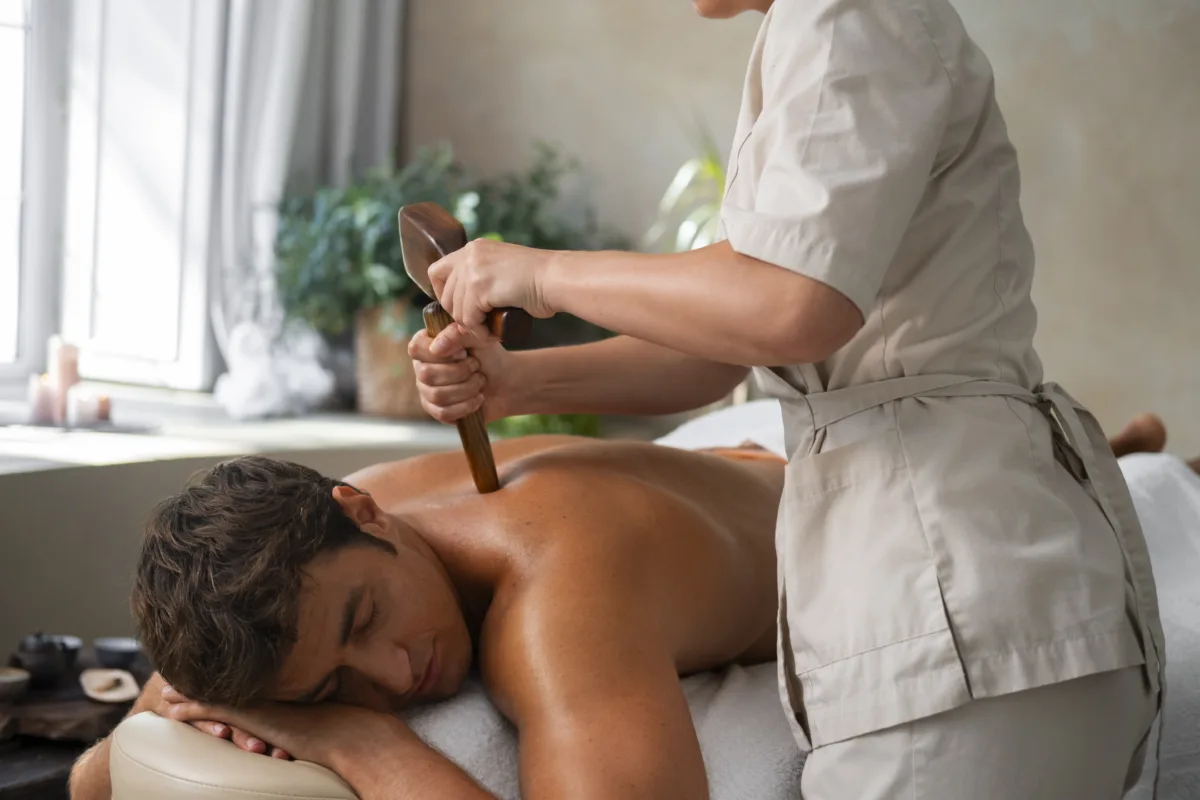
The feeling of chronic stress, persistent muscle tension, and continuous fatigue can be confusing when it comes to choosing the appropriate therapy. When your body protests against pain, it can be difficult to choose between Western-focused therapies and ancient holistic therapies.
Key Takeaways:
- Abhyanga: An ancient Ayurvedic full-body ritual using warm, herb-infused oils and gentle, rhythmic strokes to calm the nervous system, nourish skin, and restore systemic balance.
- Deep Tissue Massage: A Western therapy applying firm, direct pressure to deep muscle layers and fascia to target chronic pain, break down knots, and relieve structural tension.
- Pranava Ayurveda: Offers personalised consultations where experienced practitioners assess your unique constitution and health goals to recommend the ideal treatment or combined therapy.
You want to relax, or rather free yourself from the shoulder pain that has been bothering you for some time now. In any case, you have come across two completely different types of massage: an Abhyanga and a deep tissue massage.
Both types of massages are full-body massages and emphasise reducing stress and solving pain problems. However, they originate from different cultural backgrounds, use dissimilar techniques, and affect people’s bodies in different ways.
This guide will indicate how abhyanga massage and deep tissue massage differ, and which is the right fit.
Abhyanga vs. Deep Tissue Massage: Which Therapy Do You Need?
When trying to alleviate the problem of chronic tension, it may not be easy to decide between Western body techniques and ancient Ayurvedic treatment methods.
To choose the one that is right for you, we should first look at what distinguishes Abhyanga from deep tissue massage-
What Is Abhyanga Massage?
Abhyanga is derived from two Sanskrit words: “abhi” means toward, while “anga” means body. When put together, abhyanga stands for the care of one’s body with the help of oil.
The process of abhyanga massage goes like this:
- A therapist diagnoses your dosha, which refers to the three forms of energy in Ayurveda: vata, pitta, and kapha.
- A warm herbal oil is selected according to your particular needs.
- An oil is used as the practitioner gives long, smooth strokes with it over the body, face, ears, and feet.
- The amount of pressure varies, but is always gentle and soothing, with no aggressive movements. The objective is to relax and nourish the body.
- The treatment takes about 45 to 60 minutes and is followed by a short steam therapy session.
This is genuinely a full-body massage in the truest sense. Skin, joints, nervous system, and mind are all part of the treatment, not just the muscles.
People who regularly practice Abhyanga see a range of benefits, which are attributed to this ancient Ayurvedic therapy including-
- A sense of deep relaxation is achieved due to systematic body strokes that work on the whole body rather than any specific area.
- The application of warm oil along with a set of continuous strokes promotes blood flow, especially at the ends of the nerves, resulting in improved blood circulation.
- As many people recognise, an Abhyanga session improves sleep, making it deeper, more relaxing, and restorative.
- Skin is considered in Ayurveda as a living body organ instead of a defence barrier. As a result, clients obtained nourished and softer skin, since the herbal oil is absorbed by the skin.
- Lubrication of joints and increased mobility were achieved.
- The natural detoxification process is assisted in the body through improved circulation along with lymphatic system movement.
- Clarity of mind and emotional stability are attained since Abhyanga is directly related to the psychophysiological state of the body.
Abhyanga is traditionally used to relieve general muscle stiffness, ease tension around tight or overworked joints, deeply hydrate dry skin, reduce everyday fatigue, and support long-term physical and emotional well-being as part of a balanced wellness routine.
What Is Deep Tissue Massage?
Deep tissue massage is a Western technique built around one goal: reaching the deeper layers of muscle and connective tissue (fascia) to release chronic tension.
How deep tissue massage works-
- The therapist uses slow, firm strokes and direct pressure, often with fingers, thumbs, or even elbows.
- Movements go across the grain of the muscle, not just along it, to work into adhesions, like the tight, rigid bands that form in overused or injured tissue.
- Pressure is concentrated on specific problem areas: a stiff neck, a locked-up lower back, tight shoulders.
- Unlike a relaxation massage, the intent is corrective. You are targeting a known issue, not soaking in general calm.
It can feel intense during the session and sometimes leaves mild soreness for a day or two afterwards. This is similar to the feeling after a hard workout.
Deep tissue massage has a genuine evidence base behind it, alongside its long practical track record. Here are the deep tissue massage benefits:
- Chronic pain and muscle tension: Deep tissue techniques target adhesions (the rigid bands that restrict circulation and movement) and can meaningfully ease back pain and myofascial pain, particularly when used as part of a wider rehabilitation plan.
- Improved range of motion: Massage therapy produced measurable improvements in flexion and abduction compared to no treatment at all.
- Stress & Cortisol Reduction: By systematically releasing deep physical tension and promoting nervous system calm, targeted deep tissue work helps lower stress hormone levels, supporting overall physiological relaxation.
- Breaking down scar tissue and knots: Firm, targeted pressure helps loosen fibrous bands that build up after injury or repetitive strain.
How Ayurvedic Massage Differs From Regular Massage
Regular massage, including deep tissue and Swedish, is problem-oriented. You come in with back pain, and the treatment addresses your back. It is built around the physical, such as muscles, joints, and tissue.
Ayurvedic massage is constitution-oriented. An Ayurvedic massage does not start by asking “where does it hurt?” It starts by asking “what is your body’s nature, and what is currently out of balance?” The oil, pressure, and technique are then built around your dosha, not just your symptom.
Here is a comparison between Abhyanga massage and deep tissue massage-
| Parameters | Abhyanga Massage | Deep Tissue Massage |
|---|---|---|
| Origin | Ayurveda (India), over 5,000 years old | Western massage therapy |
| Primary tool | Warm, herb-infused, dosha-specific oils | Firm manual pressure, minimal oil |
| Pressure level | Gentle to moderate | Firm to intense |
| Focus | Whole body: skin, lymph, joints, nervous system, mind | Deep muscle layers and connective tissue |
| Personalisation basis | Your dosha (Vata, Pitta, Kapha) | The specific area of pain or tension |
| Best for | Stress, poor sleep, dry skin, general fatigue, daily balance | Chronic pain, muscle knots, limited mobility, injury recovery |
| Typical session length | 45-60 minutes | 30-90 minutes |
| How you feel after | Calm, nourished, relaxed | Loosened, sometimes mildly sore for 24-48 hours |
| Frequency for best results | Regularly, even weekly, as a wellness ritual | As needed, with rest days between sessions |
| Scientific evidence base | Traditional texts plus growing clinical interest | Moderate-certainty clinical evidence for pain and mobility |
Table 1: Comparison Between Abhyanga vs Deep Tissue Massage
Which One Is Right for You?
You may opt for Abhyanga if you:
- Are feeling stressed out, anxious, or emotionally worn out
- Have trouble sleeping or are consistently tired
- Prefer a wellness approach rather than medical intervention
- Experience dry skin, inadequate blood circulation, or feel ‘off balance’ without a specific injury
- Want to consider the overall body, mind, and nervous system
You can also opt for deep tissue when you:
- Have a particular area of persistent tension or sore muscles
- Enjoy chiropractic treatment for injuries or lots of use
- Experience limited motion in muscles or joints
- Spend most of the day sitting at a desk and developing tension in the neck, shoulders, or lower back
Do you know what treatment to choose? Ask yourself a question: Am I addressing a specific problem or ‘resetting’ the entire system?
Can You Combine Both?
Yes. In fact, for many people, this is actually the smartest approach.
A common and effective sequence is-
- Start with Abhyanga to warm the tissue, calm the nervous system, and improve circulation with herbal oils.
- Follow with targeted deep tissue work on the specific area that needs it, once the muscles are already warmed and more receptive.
This sequencing means the deep tissue work is often more comfortable and more effective, because the tissue is not cold or guarded. It also means you get both outcomes in one visit: the calming, whole-body reset of Ayurveda, and the targeted relief of deep pressure work.
At Pranava Ayurveda, our practitioners can assess your dosha and your specific concern in the same consultation and recommend whether Abhyanga alone, a more targeted Ayurvedic therapy such as Udvartana or Kizhi, or a combined approach is the right starting point for you.
Safety, Contraindications & Who Should Be Cautious
Neither treatment is risk-free for everyone. A responsible clinic should always ask about your health history before treatment.
| Aspects | Abhyanga | Deep Tissue |
|---|---|---|
| Pregnancy | Often adapted safely with a trained practitioner; always disclose trimester. | Generally avoided or heavily modified, especially in the first trimester. |
| Recent surgery | Usually needs medical clearance first. | Usually needs medical clearance first. |
| Blood thinners / clotting conditions | Caution advised, gentler pressure used. | Caution strongly advised as deep pressure carries higher risk. |
| Skin conditions/infections | Avoid oil application over active infection or broken skin. | Avoid direct work over the affected area. |
| Cardiovascular conditions | Generally, well tolerated with practitioner guidance. | Requires caution; deep pressure can affect circulation. |
| Rare adverse events | Uncommon when performed by a trained practitioner. | Documented rare serious adverse events exist, usually from excessive force. |
Table 2: Who Should Avoid Abhyanga And Deep Tissue Massage
Note: Always disclose your full health history before either treatment, and choose a clinic with properly trained, experienced practitioners, not a discount spa cutting corners on technique.
In case you are facing issues like muscular problems, chronic stiffness, or musculoskeletal conditions, then you may be advised a targeted therapy from our services, including one of a number of Sarvanga Abhyanga, Udvartana or Kizhi (herbal bolus) therapies either simultaneously or instead of a full-body Abhyanga treatment.
In Conclusion
Abhyanga is an ancient Ayurvedic full-body treatment using warm oils, infused with herbs as well as soft rhythmic movements to calm the nervous system, nourish the skin, and restore systemic balance.
On the contrary, Deep Tissue massage makes use of strong pressure on inner muscle layers and fascia, aimed at overcoming difficult knots, chronic pain, and structural tension.
Unsure Whether Your Body Needs Muscular Relief or a Systemic Reset?
Do not waste time guessing which therapy is right for you. Pranava Ayurveda’s experienced practitioners will assess your unique constitution and health goals. Reclaim your balance and vitality today. Book your personalised consultation with Pranava Ayurveda now to begin healing.
UK Regulatory & Medical Compliance Notice
Abhyanga and Ayurvedic bodywork therapies offered at Pranava Ayurveda are traditional, complementary wellness practices designed to support relaxation, tissue lubrication, systemic circulation, and general well-being. They are not a substitute for conventional medical diagnosis, care, or treatment by a General Practitioner (GMC-registered GP) or specialist medical practitioner.
If you are managing a diagnosed medical condition, chronic pain disorder, recent injury, or are taking prescribed medication, please consult your doctor prior to booking. Do not alter or stop any prescribed medical treatment without guidance from your primary physician.
Frequently Asked Questions(FAQs)
1. Is Post-treatment Muscle Soreness Normal After Deep Tissue or Abhyanga?
Mild muscle tenderness for 24 to 48 hours is relatively common after a Deep Tissue massage, as intense manual pressure works into tight muscular adhesions and fascia. In contrast, Abhyanga uses warm, herb-infused oils and gentle, continuous rhythmic strokes designed to soothe the nervous system, making post-treatment soreness very rare.
2. Can Abhyanga Help if I Experience Severe Stress and an Overstimulated Nervous System?
Yes. While Deep Tissue massage targets local muscle tissue, Abhyanga is specifically structured to calm an overactive nervous system (Vata dosha). The application of warm, dosha-specific oils combined with rhythmic full-body strokes promotes deep relaxation, helping to ease feelings of mental fatigue, restlessness, and stress.
3. I Suffer From Persistent Back Pain and Neck Stiffness. Which Therapy Should I Choose?
If your pain stems from localised muscle knots or postural strain from desk work, targeted Deep Tissue pressure or specialised Ayurvedic local oil therapies (such as Kati Vasti or Greeva Vasti) can provide focused relief. During your initial consultation at Pranava Ayurveda, our practitioners evaluate your movement and physical tension to recommend whether Abhyanga, targeted deep tissue work, or a combination of both is ideal for you.
4. How Does Abhyanga Address Persistent Joint Stiffness and Poor Circulation?
Abhyanga utilises warm, medicated oils rubbed along bodily channels (Srotas) and vital energy points (Marma points). The warmth and long, rhythmic strokes stimulate superficial blood flow and lymphatic movement, helping to lubricate stiff joints and warm cold extremities far more gently than high-pressure manual therapy.
5. Can I Receive Abhyanga or Deep Tissue Massage if I Am Pregnant?
During pregnancy, specialised prenatal modifications are required. Standard Deep Tissue massage is generally avoided in the first trimester and heavily modified thereafter. Abhyanga can be safely adapted into a gentle prenatal massage (Kashyapa) by a trained Ayurvedic practitioner, provided your midwife or GMC-registered GP has cleared you for gentle massage therapy.