
No products in the cart.
Blog, Health and Beauty Tips
How Panchakarma Detox Supports Long-Term Health and Wellness
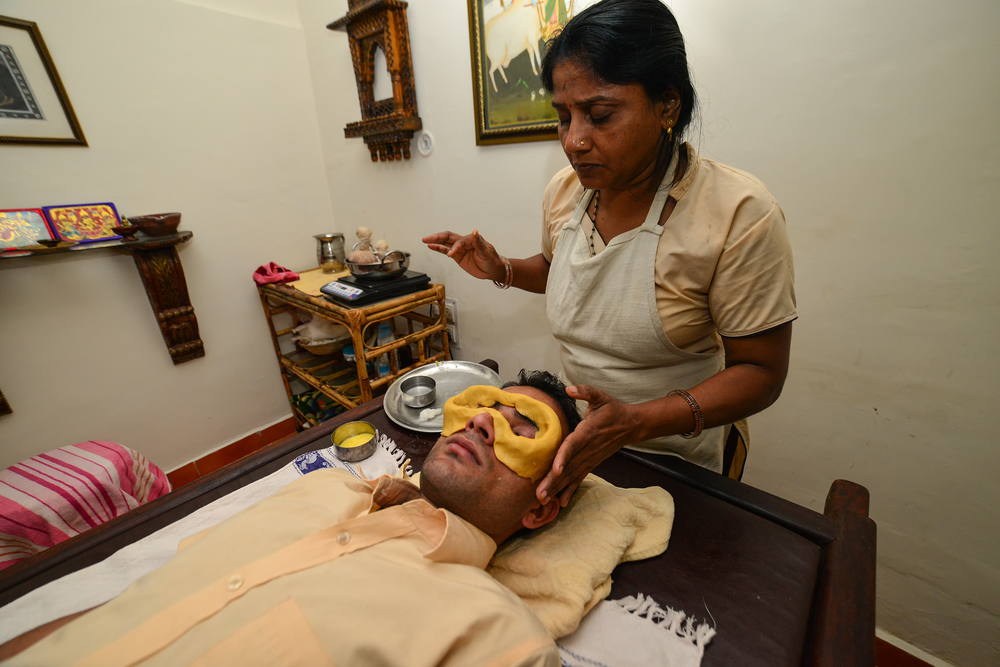
Most contemporary detoxes promise immediate results, such as getting rid of fat through cleanse drinks, but only to feel tired, forgetful, and bloated once again soon after.
Real wellness entails the elimination of toxic substances present in the body (Ama) and restoring the digestive system. Panchakarma delivers a systematic, evidence-based Ayurvedic approach focused on sustainable changes in physiology and metabolism.
Key Takeaways:
- Targeted Root-Cause Removal: Panchakarma detox eliminates deep-seated toxic waste (Ama) and balances doshas rather than providing temporary surface-level relief.
- Three-Phase Structured Process: It restores long-term digestive fire (Agni) through dedicated preparation (Purva Karma), deep cleansing (Pradhana Karma), and post-care diet (Paschat Karma).
- Compounded Health Benefits: It delivers lasting improvements in immunity, mental clarity, stress resilience, sleep, skin health, and chronic pain management.
The majority of detox plans are completed in about a week. The benefits of Panchakarma, however, are meant to last for years at a time. This is where the difference between a juice cleanse and panchakarma lies. While one removes water weight, the other one improves one’s digestive, immune, sleep, and stress systems from the foundation.
This guide explains exactly how panchakarma works, what the evidence says, who it’s right for, and what to expect if you book a consultation.
How Panchakarma Detox Keeps You Healthy in the Long Term
The Ayurvedic system of Panchakarma is the foundation of detoxification. It consists of several carefully designed therapies for the elimination of ama and attaining equilibrium of the body’s three doshas, including Vata, Pitta and Kapha.
At Pranava Ayurveda, every panchakarma programme starts with a full Ayurvedic consultation, because a generic detox protocol is not real Panchakarma.
A 2016 metabolomics study published in Scientific Reports found measurable biochemical changes and reduced markers of oxidative stress in healthy subjects following a panchakarma-based programme.
Pilot studies exploring systemic inflammatory markers, including ulcerative colitis, have observed positive shifts in biological indicators following traditional bio-purification protocols.
Note on Scientific Research: References to clinical and metabolomic studies are provided for educational and informational purposes to illustrate traditional Ayurvedic principles. In accordance with UK CAP guidelines, these research citations describe preliminary scientific findings and do not constitute MHRA-approved medical claims for the treatment or prevention of clinical disease.
Why Panchakarma Works for the Long Term
Panchakarma is effective as-
- The process focuses on resolving the cause rather than just treating the symptoms: Most chronic conditions are due to imbalances in agni (the digestive fire), so if food is not digested properly, it turns to ama (the toxic residue that gets stuck in the body). Panchakarma removes the root accumulation of Ama rather than temporarily suppressing its outward symptoms.
- Healing digestion comes first: All panchakarma treatments start with bringing agni back to normal levels, thereby stopping the production of ama, leading to long-lasting effects after completing the treatment.
- Panchakarma is an intricate pathway: One massage might help you relax for a day, but a full panchakarma process will help reorganise one’s digestive, nervous, and immune systems, guaranteeing their health.
- Its effectiveness is maintained: The programme finishes with the reintroduction diet and lifestyle tips, thus ensuring that the process of resetting the body has a lasting impact.
The Five Actions of Panchakarma
The core of Panchakarma consists of five specialised cleansing procedures designed to clear systemic channels (Srotas) and eliminate accumulated toxins (Ama). Depending on your constitution (Prakriti) and current imbalance (Vikriti), your Ayurvedic Doctor will select the appropriate combination of therapies rather than performing all five.
| Therapy Name | Target Action & Dosha | Primary Clinical Indications |
|---|---|---|
| Vamana Karma (Therapeutic Emesis) | Eliminates excess Kapha and clears upper GI/pulmonary channels. | Chronic respiratory issues, sinus congestion, asthma, and select skin conditions. |
| Virechana (Therapeutic Purgation) | Clears excess Pitta and cleanses liver, gallbladder, and small intestine. | Inflammatory skin disorders, liver/digestive congestion, hyperacidity, and heartburn. |
| Vasti / Basti (Medicated Enema) | Pacifies excess Vata and cleanses the lower gastrointestinal tract. | Joint pain, musculoskeletal disorders, chronic constipation, sciatica, and neurological issues. |
| Nasya Karma (Nasal Administration) | Clears head, sinus, and neurological channels above the clavicle. | Headaches, sinus congestion, sleep issues, neck stiffness, and mental fog. |
| Raktamokshana (Blood Purification) | Directly purifies blood-borne toxins and reduces localised congestion. | Select chronic inflammatory skin conditions and localised tissue congestion (used selectively). |
Table 1: Five Actions of Panchakarma
These are supported by preparatory and adjunct therapies you will likely recognise from our treatments page, including Abhyanga oil massage, Shirodhara, and various Kizhi (herbal bolus) treatments. Each of the therapies prepares the body’s channels so the main procedures work more effectively.
Are You Ready for Panchakarma?
Review the common signs of metabolic imbalance below. If you check 3 or more boxes, your body may benefit from an Ayurvedic consultation and structured bio-cleansing program:
Morning Fatigue: Feeling unrefreshed or sluggish upon waking despite 7 to 8 hours of sleep.
Coated Tongue: A thick white or yellowish coating on your tongue every morning.
Digestive Discomfort: Frequent post-meal bloating, heaviness, gas, or irregular bowel movements.
Mental Fog: Unexplained brain fog, lack of mental focus, or low motivation throughout the day.
Joint Stiffness: Generalised body aches, heaviness in the limbs, or morning joint stiffness without injury.
Dull Skin: Skin breakouts, dull tone, or unexplainable skin sensitivities.
Clinical Safety and Medical Considerations
Authentic Panchakarma is an intensive bio-cleansing medical protocol, not a relaxing spa treatment. It must always be prescribed and monitored by a qualified Ayurvedic Doctor following a thorough health assessment.
Panchakarma is NOT suitable for:
- Pregnant or breastfeeding women.
- Individuals with active infections, fever, or those recovering from recent surgery.
- Severe emaciation, extreme physical exhaustion, or advanced weakness.
- Children under 12 years or frail elderly individuals (milder palliative therapies, known as Shamana, are recommended instead).
The Three Phases of a Panchakarma Programme
These are the three phases of the panchakarma programme observed during client consultation-
- Purva Karma (Preparation usually lasts for 3-7 days): During this period, the body shall be prepared through Snehana (internal and external oleation using medical ghee/oils) and Swedana (herbal steam treatment). This will help to release toxins from deep tissues of the body, moving them toward the digestive tract and allowing their elimination.
- Pradhana Karma (Main Procedures): In this phase, the specific procedures will be performed (like Virechana, Vasti, Nasya, etc.) as prescribed according to the consultation results.
- Paschat Karma (Post-Care): Finally (typically lasting for a total of 3-7 days or longer), a carefully designed diet will be introduced via progressive stages.
A full cycle can run anywhere from 8 days to several weeks, depending on the depth of detox needed.
Long-Term Health Benefits
These are the long-term health benefits delivered by a full-cycle Ayurvedic detox:
- Stronger, more consistent digestion is gained. Restored agni means food is properly broken down and absorbed, not left to ferment into toxins.
- Better sleep and mental clarity are attained. Therapies like Nasya and Shirodhara calm the nervous system directly. Many people report deeper sleep and less mental fog within days.
- Improved immunity is achieved with digestion and channel blockages cleared. Hence, the body’s natural defenses function more efficiently.
- Reduced chronic pain and joint stiffness, particularly relevant for Vata-driven conditions like musculoskeletal and neurological disorders, are observed. This is also one of the better-studied areas in clinical research.
- Clearer skin and improved complexion are achieved. Pitta-related detox (Virechana) is traditionally linked to visible skin improvements.
- As metabolism normalises, weight tends to stabilise. Hence, healthy and sustainable weight management is maintained.
- Lower stress and better emotional balance are achieved, as the calming effect on the nervous system is one of the most consistently reported outcomes across both traditional practice and modern studies.
- Improved tissue nourishment and reduced oxidative stress are associated with the anti-ageing effects Ayurveda has claimed for centuries. Therefore, slower visible ageing is observed.
Eating heavy, cold, or processed food right after Panchakarma can cause severe indigestion, bloating, and stomach cramps. After deep purification, your digestive fire (Agni) is like a delicate spark. The Samsarjana Krama (staged diet) gradually builds it back up over 3 to 7 days:
- Day 1-2: Thin rice soup (Manda / Peya)
- Day 3-4: Thicker rice porridge & light Kitchari (Vilepi)
- Day 5-6: Well-cooked lentil soups & steamed vegetables
- Day 7+: Gradual return to standard warm, balanced meals
Skipping these stages risks reigniting toxin buildup immediately.
These are not isolated effects. They result in better sleep and better digestion altogether. Ayurveda wellness supports better immunity, reducing the physical stress load on your body. That compounding is exactly why the benefits of Panchakarma tend to hold for months, sometimes years, rather than days.
Managing Daily Life and Work During Panchakarma in the UK
A successful Panchakarma journey requires balancing clinical treatments with appropriate daily routines. Because your metabolic energy is directed toward internal cleansing during treatment, adjusting your physical exertion and diet ensures safety and maximises long-term results.
| Treatment Phase | Primary Daily Focus | Work & Activity Status | Essential Care Guidelines |
|---|---|---|---|
| Phase 1: Purva Karma (Preparation: Days 1-7) | Internal oleation (Snehapana) with medicated ghee and external herbal oil massages/steam. | Light Work Permitted | Consume warm, freshly cooked mono-meals (such as Kitchari), drink warm water, and avoid cold weather exposure. |
| Phase 2: Pradhana Karma (Main Detox: Days 8-12) | Administration of targeted purification therapies (Virechana, Vasti, or Nasya). | Rest Required (2-3 Days Off) | Complete physical rest required. Stay indoors, keep warm, refrain from screen overload, and avoid intense exertion. |
| Phase 3: Paschat Karma (Reset: Days 13-20) | Progressive dietary reintroduction (Samsarjana Krama) and rejuvenating herbs (Rasayana). | Gradual Return to Routine | Slowly transition from thin rice soups to solid meals. Avoid cold, processed, or heavy foods during recovery. |
Table 2: Patient Lifestyle, Work Capacity, and Care Guidelines by Treatment Phase
Stay Warm
Warmth is vital during Panchakarma. Cold drafty environments cause body channels (Srotas) to constrict, making toxin release harder and increasing Vata imbalance. During your treatment:
- Keep your home warmly heated.
- Sip warm or hot water throughout the day (never chilled or icy drinks).
- Wear warm layers, headwear, and socks—even indoors after steam therapies (Swedana).
- Avoid direct rain, wind exposure, and cold showers.
Managing Menstrual Cycles
Main bio-cleansing therapies (Pradhana Karma) are temporarily paused during active menstrual bleeding.
In Ayurveda, menstruation is considered a natural, monthly detox process (Rutu). Administering intensive cleansing therapies like Virechana or Vasti during your period can cause severe exhaustion, irregular flow, or heightened Vata imbalance.
If your period begins during treatment, inform our clinical team immediately. We will pause the main procedures and switch to gentle, supportive palliative care (Shamana) until your bleeding finishes, after which your scheduled therapies will safely resume.
Cutting Down on Stimulants
Caffeine, alcohol, and nicotine must be completely avoided during Panchakarma, and ideally tapered down 1 week before starting.
Caffeine and alcohol stimulate the nervous system, dehydrate tissues, and constrict body channels (Srotas), which directly opposes the goal of softening and releasing toxins (Ama). If you are a heavy coffee drinker, we recommend reducing your intake to one cup daily, then switching to herbal teas (such as ginger, cumin, or fennel) before your preparation phase (Purva Karma) begins to prevent severe caffeine-withdrawal headaches.
Managing Exercise Routines
High-intensity exercise, weightlifting, cardio workouts, and swimming are strictly off-limits during active Panchakarma.
Your body requires all its available metabolic energy to process and eliminate deep-seated cellular waste. Engaging in heavy physical exertion during detox forces energy back into the muscles and joints, causing fatigue and potential injury.
Allowed: Gentle walks outdoors (well-wrapped against cold wind), light stretching, and restorative breathing exercises (Pranayama).
When to resume: You can gradually return to regular gym workouts 7 to 10 days after completing the post-care dietary reset.
In Conclusion
Panchakarma provides long-lasting results by stimulating the digestive fire known as Agni, balancing doshas, and eliminating toxins with a three-step process. The practice involves preparation (Purva Karma), purification (Pradhana Karma), and treatment after cleansing (Paschat Karma).
This holistic process ensures many diverse benefits with the help of Panchakarma in areas such as immunity, sleep, adaptation to stress, skin condition, and control of chronic pain.
Ready To Move Past Temporary Quick Fixes And Invest In Sustainable, Long-Term Vitality?
Experience a fully customised Panchakarma detox tailored precisely to your unique constitution. Book your initial Ayurvedic consultation with us today and take the first definitive step toward resetting your health at its root.
UK Regulatory & Medical Compliance Notice
Pranava Ayurveda provides traditional Ayurvedic consultations, metabolic bio-cleansing protocols, and complementary wellness therapies. Panchakarma protocols are designed to support overall physiological balance, digestive function (Agni), and general well-being.
Ayurvedic therapies are complementary health practices and are not a substitute for conventional medical diagnosis, care, or treatment by a General Practitioner (GMC-registered GP) or specialist medical practitioner. Always consult your primary physician before starting any intensive bio-cleansing program, particularly if you have an existing health condition or are taking prescribed medication. Do not stop or alter any prescribed medical treatment without first consulting your doctor.
Frequently Asked Questions(FAQs)
1. Can Healthy Individuals Undergo Panchakarma Even If They Do Not Have A Specific Disease?
Absolutely yes. Seasonal Panchakarma is recommended at least once a year for healthy individuals to prevent illness. It serves as a preventative bio-cleansing routine that enhances endurance, boosts immunity, and promotes anti-ageing.
2. Can I Undergo Panchakarma If I Am Taking Prescription Medication From My NHS GP?
In most cases, yes, but your medications must be reviewed during your initial consultation. Ayurvedic bio-cleansing alters gut absorption and metabolism, which can temporarily affect how your body processes certain medications (such as blood pressure tablets, thyroid hormones, or blood thinners). Never stop or alter your prescribed NHS medication without explicit guidance from your GP. Our Ayurvedic Doctor will tailor the timing and intensity of your therapies around your existing prescription schedule to ensure absolute safety.
3. Is It Normal To Feel Nauseous, Fatigued, Or Emotional During Detox?
Yes. A temporary “healing response” or detox surge is common during Days 3 to 6. As deep-seated toxins (Ama) loosen from your tissues and move into your digestive tract for elimination, you may briefly experience mild headaches, low energy, skin breakouts, or emotional shifts. This indicates that the preparation therapies (Purva Karma) are working. Our clinical team monitors you daily throughout this phase to adjust your herbal oil doses and ensure you stay comfortable.
4. Is Drinking Ghee (Snehapana) Mandatory? What If I Am Vegan Or Lactose Intolerant?
Internal oleation is a key part of softening deep-seated toxins (Ama), but it can be adapted. If you are lactose intolerant, pure clarified ghee is virtually free of milk solids (lactose and casein) and is usually tolerated very well. However, if you are strictly vegan, have severe gallbladder issues, or cannot stomach warm ghee, our Ayurvedic Doctor can prescribe specially medicated herbal oils (such as sesame or coconut-based preparations) or opt for a gentler external oleation protocol.
5. Will I Lose Weight During Panchakarma, And Will It Stay Off?
Many clients do experience weight loss during Panchakarma, but it should not be viewed as a crash diet. Initial weight reduction during treatment is often a combination of clearing stagnant bowel accumulation, reducing water retention, and eliminating systemic inflammation. However, the true metabolic benefit is the restoration of your digestive fire (Agni). By resetting your digestion and gut function, your body becomes far better at processing fats and nutrient absorption, making long-term, healthy weight management significantly easier when paired with a balanced post-detox diet.