
No products in the cart.
Ayurveda
Ashwagandha: Benefits, Dosage and Side Effects
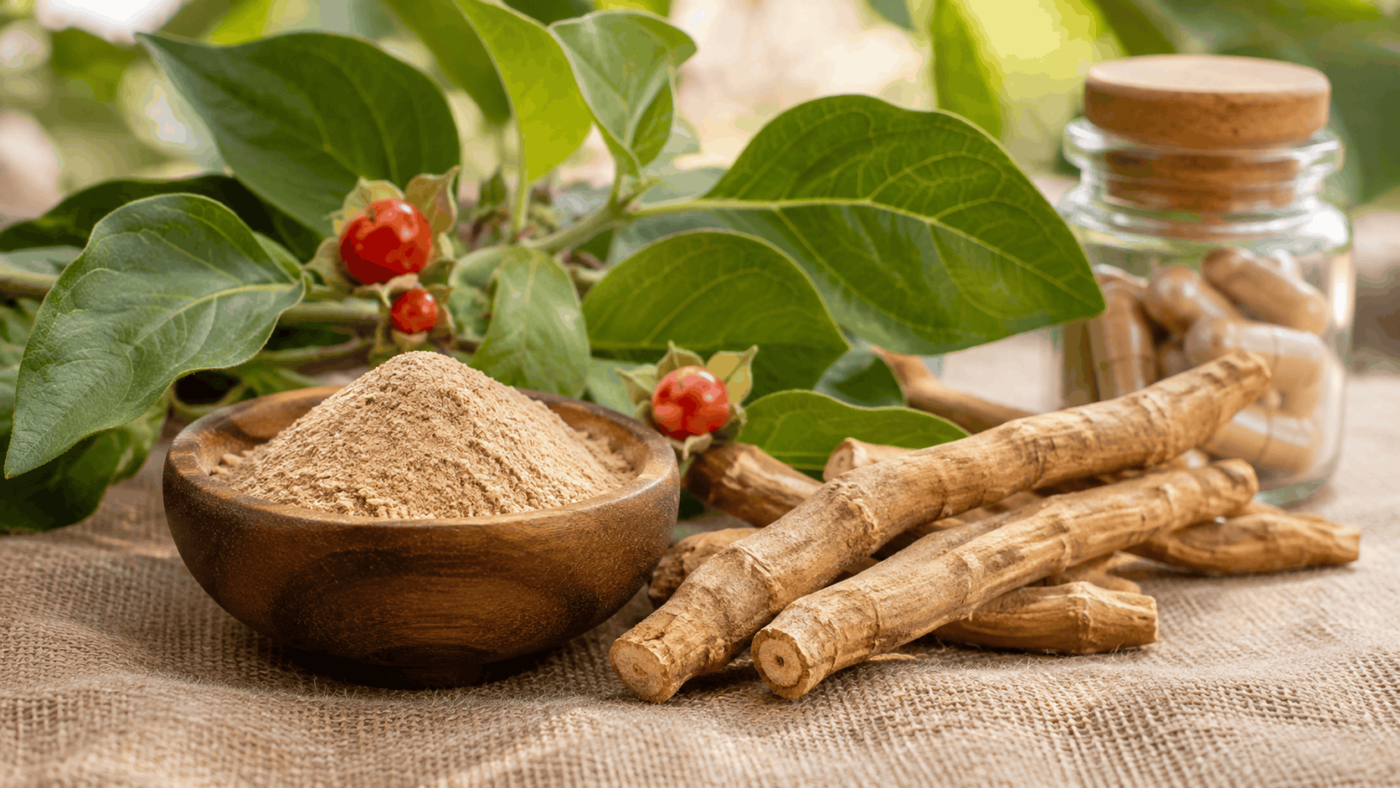
Ashwagandha (Withania somnifera) is legal to buy as a food supplement in the UK, though it is under safety review by the UK Food Standards Agency (FSA) and the Committee on Toxicity (CoT).
Most clinical studies use 300 mg to 600 mg daily of a standardised root extract for up to 8 to 12 weeks. Potential benefits of ashwagandha include support for stress, anxiety, sleep, as well as physical performance and hormonal balance.
Key Takeaways:
- Ashwagandha and sleep: Using ashwagandha may help with stress control, decrease cortisol levels, and increase the quality of sleep.
- Dosage: The needed dosage may vary according to the supplement type, potency, and personal requirements.
- Know the risks: The possible side effects may include an upset stomach and drowsiness.
If you have been suffering from chronic stress, sleep issues, or feeling fatigued in the afternoon, you may have been thinking about whether herbal supplements for your condition can be taken into consideration. The information available online can be quite confusing and overwhelming, making it difficult to make an informed decision or know what the safe dose is.
This detailed guide will give you all the necessary details about the effects of Ashwagandha and dosage recommendations.
Is Ashwagandha Safe? Benefits, Dosage, and Side Effects That
You Should Know
Ashwagandha is a small woody shrub, also called Indian ginseng/winter cherry. Its roots have been used in Ayurveda as an important natural remedy for thousands of years to improve health and strength.
According to Ayurveda, ashwagandha is a powerful rejuvenating herb (rasayana). It normalises Vata dosha in the human body. So, it is recommended based on the prakriti of an individual patient and not on particular symptoms.
Let us understand how it is supported by science.
Ashwagandha Benefits: What Does Science Say?
Ashwagandha has gained attention for its potential health benefits. While early research looks promising, there is still a need for more large-scale studies to understand how effective it really is.
Anxiety and Stress: Emerging research shows that ashwagandha may be useful in reducing both anxiety as well as stress. Some studies suggest that you may see results anywhere from two weeks to ten weeks after starting to use this herb. In some cases, this reduction in stress can also lead to decreased cortisol levels.
Improved sleep: Another characteristic of ashwagandha is its influence on sleep. Evidence suggests that it is effective in improving sleep in those suffering from high stress and insomnia. However, the improvement is considered only moderate.
Another characteristic of ashwagandha is stated to be its influence on sleep. As such, there is evidence suggesting that this medication is effective in improving sleep in stressed individuals and those suffering from insomnia. However, the improvement is considered only moderate.
Increased energy and stamina: There is some preliminary research suggesting that ashwagandha facilitates endurance, energy, and recovery.
Other possible effects: The study of the potential influence of ashwagandha on the thyroid, fertility, and sugar levels is in progress. However, so far, the evidence is still limited.
It is worth finding how ashwagandha helps with stress and better sleep.
Ashwagandha for Stress and Better Sleep
One of the main reasons people take ashwagandha is to manage everyday stress and improve sleep. Ashwagandha may help the body manage stress by influencing cortisol levels and the nervous system. Its naturally occurring compounds, called withanolides, are thought to play an important role in these effects.
Certain professional associations have provisionally advised using ashwagandha as a cure for generalized anxiety disorder. The task force that comes from the World Federation of Societies of Biological Psychiatry (WFSBP) along with the Canadian Network for Mood and Anxiety Treatments (CANMAT) is the one that issued such advice.
The general theory is that ashwagandha belongs to a class of substances called adaptogens, which are believed to cut down the production of cortisol (the stress hormone) in the body. With lower levels of cortisol, mental stress is greatly reduced, while the physical implications of stress on the body could be eased. This could assist in reducing headaches, hypertension, managing weight, and numerous other issues.
Moreover, ashwagandha is recognised as a remedy for various other health problems.
If you are using ashwagandha for stress and sleep, it is usually recommended to take it in the morning or before meals, or take it in smaller doses. If you are taking it for sleep problems, however, taking it in the evening is advisable.
If you feel sleepy during the day after taking it, speak to your healthcare professional about changing the timing of your doses. Also remember that ashwagandha is not a miracle solution or a sleeping pill. It can take four weeks or more before any effect is felt.
Ashwagandha Dosage: How Much Should You Take?
The right amount of ashwagandha depends on the form you are using. Capsules, traditional powders, and liquid preparations can all have different strengths.
Here is some general information about the Ashwagandha dosages used-
| Condition | Dosage | What to know |
| Standardised root extract (capsules) | 250-600 mg daily | Commonly used in research studies lasting 8-12 weeks |
| Traditional churna (powder) | 3-6 g daily | Traditionally mixed with warm milk or water, preferably under practitioner guidance |
| Arishtam (fermented tonic) | 30 ml | Follow the advice of your Ayurvedic practitioner |
| THR-registered products | As mentioned on the label | Never take more than the approved dose |
Table: Dosage For Ashwagandha
When using ashwagandha, you should begin with a minimal dose and consume it with food, unless told otherwise by the physician.
Ashwagandha is legal in the UK. It has not been banned.
However, its safety is still being reviewed. In July 2024, the Food Standards Agency (FSA) opened a call for evidence to gather more information about the herb’s safety. The UK’s Committee on Toxicity is also assessing the available evidence.
As of October 2026, no results have yet been published. A few European countries already have restrictions because of safety issues related to ashwagandha.
Therefore, while ashwagandha may be available in the UK, one needs to know what risks it may pose in order to make the right choice of product.
Ashwagandha Side Effects: What Should You Know?
Ashwagandha is generally well tolerated for up to about three months in healthy adults, though it can cause mild digestive or sedative side effects and carries rare risks like liver injury and medication interactions.
Here are some common ashwagandha side effects–
- Digestive issues
- Drowsiness and fatigue
- Headaches
Ashwagandha benefits for stress, sleep, and overall well-being are well observed, but it is not suitable for everyone. Like any herbal supplement, it should be used thoughtfully, with attention to dosage, product quality, and personal health needs.
Who Should Avoid Ashwagandha?
Ashwagandha may not be suitable for everyone. Certain people should avoid it or speak to a healthcare professional before using it.
This includes:
- Pregnant or breastfeeding women and children.
- People with liver disease or thyroid problems.
- People taking medicines for diabetes, blood pressure, or thyroid conditions.
- Anyone using sedatives or medicines that suppress the immune system.
- People who are planning to undergo surgery.
Avoid ashwagandha if you are pregnant, since it might heighten the possibility of miscarriage.
If you are diagnosed with hormone-sensitive prostate cancer, consult your doctor before taking ashwagandha, as it may elevate testosterone production and affect your therapy.
Ashwagandha may enhance drowsiness caused by medications prescribed to you. Therefore, it is important to consult your healthcare provider before taking it.
Ashwagandha stimulates both the innate and adaptive arms of the immune system, improving the overall immune surveillance and protection capability.
However, not all ashwagandha supplements are the same. The quality, strength, and ingredients can vary from one product to another.
Here are a few things to check before buying:
- A Traditional Herbal Registration (THR) mark can help you identify products registered for traditional herbal use in the UK.
- Choose products that clearly state whether they use root extract and mention the withanolide content.
- Third-party laboratory testing can help check for contaminants such as heavy metals.
- Be careful with products that use vague terms like “proprietary blends” without explaining the exact ingredients and amounts.
Since every individual is different, the same herb will not be effective for all of them. At Pranava Ayurveda, Harrow, our practitioners study the body type (prakriti), level of stress, sleeping habits, and medical history of every person before recommending an herbal remedy.
Summary
Ashwagandha is an ancient herb used in Ayurveda therapy that has been shown to be helpful in reducing stress levels, improving sleep quality, and increasing stamina. Properly selected supplements and consultations with specialists will simplify using the herb. At Pranava Ayurveda, we assess your prakriti, stress pattern, sleeping profile, and type of medications before recommending using ashwagandha.
Not Sure If Ashwagandha Is Right For You?
Do not leave your health to chance! Schedule a personalised Ayurvedic consultation with us at our Harrow clinic today. Let our knowledgeable practitioners help you understand your body’s needs, select the correct form of herbs, and take the dosage of ashwagandha safely. Contact us today!
Frequently Asked Questions
What Happens If Ashwagandha Is Taken Without Being Properly Screened And Is Thus Harmful Or Has Adverse Effects?
Taking ashwagandha without proper screening or quality checks can trigger serious health problems, including liver injury, hormone imbalances, severe drug interactions, and digestive distress.
Ayurvedic products incorporate naturally existing health-restoring herbs but still can be damaging if not taken appropriately. At our Ayurveda Clinic, the qualified Ayurvedic specialists conduct consultations and screening to ensure the correctness of their treatment methods and medications.
How Do I Ensure That My Ashwagandha Churna Is Pure And Meets Standards Set In The UK?
To ensure your Ashwagandha Churna (root powder) is pure and meets UK standards, you need to verify its third-party laboratory testing, botanical authenticity, and regulatory compliance.
The Ashwagandha Churna formulation made by us is 100% made of pure Ashwagandha root powder and strictly follows the quality standards of Ashwagandha used in medicines in the UK. It can be ordered through our online store in the UK.
Is It Necessary To Get Professional Guidance When Taking Ashwagandha In Combination With Other Health Problems Or Stress?
Getting professional medical guidance is strongly recommended before taking ashwagandha.
Our Ayurveda Clinic combines different herbs, such as Ashwagandha Churna and Stressnil Capsules, with Ayurvedic consultations and dietary guidance. In our clinic in Harrow, London, Ayurvedic specialists screen every individual in order to provide such therapy.
How Do Ayurveda Clinics Utilise The Benefits Of Ashwagandha When It Comes To Reproductive Health?
Ayurveda clinics take into consideration the importance of herbal remedies for promoting male fertility, and the process involves evaluating Agni and Sukra dhatu of patients before suggesting Ashwagandha, Kapikacchu, Gokshura, and similar herbs. In addition to regulating the use of herbal formulations, Ayurveda consultants at our clinics also guide our patients towards certain improvements in their lifestyle and offer them yoga plus consultations on the topic.
Why Does Ashwagandha Stop Working After A Few Weeks, And How Do I Dose Or Cycle It To Avoid Burning Out My Stress Response Without Risking Liver Or Thyroid Issues?
Safe use of Ashwagandha requires considering the right dosage as well as sessions for your needs. You should always consult an expert before taking this herb.
Practitioners at our clinic conduct a full consultation and understand your physical imbalances to recommend suitable dosages and provide tailored diet guidance and ongoing support.