
Sariva
|
Botanical Name |
Hemedismus Indicus |
|
Family |
Asclepidaceae |
|
Sanskrit |
Ananta, Anantamula, Asphota, Syama |
|
English |
Indian Sarsaparilla |
|
Hindi |
Anantamul |
|
Kannada |
Sogade |
|
Malayalam |
Narunint |
|
Telugu |
Sugandhiphala |
|
Tamil |
Nannaari |
|
Marathi |
Upalsari |
Distribution
Distributed in indis, srilanka and south east asia. In india seen in north india, sikkim and peninsular india.
|
Parts Used |
Root |
|
Dose |
Infusion:50-100ml, Paste:5-10gm, Powder:3-5gm |
Chemical Constituents
Hyperoside, rutin, desinine, hexatriacontane, ß- sitosterole, hemidesminine etc
Ayurvedic Properties
|
Quality (Guna) |
Guru, Snigdha |
|
Taste (Rasa) |
Madhura, Tikta |
|
Metabolism (Vipaka) |
Madhura |
|
Potency (Virya) |
Sita |
|
Impact (Prabhava) |
Grahi |
Pharmacological Action
- Anti fungal, anti bacterial: helps in certain skin disorders by purifying the blood.
- Anti pyretic antiviral: reduces fever.
- Anti diabetic: given in diabetes.
- Anti spasmodic: helps in reducing abdominal pains etc.
Therapeutic Uses
- Wounds: wash wounds with its decoction.
- In piles sariva roots are processed with milk and is turned to curd and is given internally.
- Diarrhea: root powder mixed with buttermilk is taken internally.
- Boil ghee with sariva roots and this ghee is taken to reduce body heat.
- Eye inflammations are cured by washing with its decoction.
Some of the common formulations
- Saribadyasava
- Mahatiktaka ghrita
- Pinda taila
- Pippalyadi ghrita
- Amruta ghrita etc
Ayurvedic Herbs
Products
-
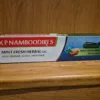 KP Namboodiri Toothpaste
£4.00
KP Namboodiri Toothpaste
£4.00 -
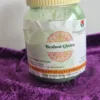 Brahmi Ghrita
£15.00
Brahmi Ghrita
£15.00 -
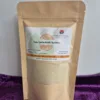 Bala Guduchyadi Kashaya
£10.00
Bala Guduchyadi Kashaya
£10.00 -
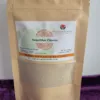 Avipattikar Choorna
£10.00
Avipattikar Choorna
£10.00